Carbon Monoxide Poisoning Prevention
Carbon monoxide is an odorless, colorless gas produced by portable generators, stoves, lanterns, gas ranges, and from burning charcoal and wood. Each year, carbon monoxide (CO) poisoning is responsible for more than 50,000 emergency department visits, resulting in more than 400 deaths according to the Centers for Disease Control and Prevention. Americans ages 65 and older have the highest rate of fatalities. Every Illinois home is required to have at least one carbon monoxide alarm, in operating condition, within 15 feet of every room used for sleeping purposes.
Symptoms of Carbon Monoxide Poisoning
Carbon Monoxide Testing
Carbon monoxide alarms are an easy and affordable way to protect your home. Install them in areas where your family spends the most time such as bedrooms, the living room, and near (but not directly in) the kitchen. Be sure to place alarms away from direct sources of carbon monoxide, like gas stoves or furnaces, to prevent false alarms.
Most carbon monoxide alarms cost between $18 and $50, depending on features. They are widely available at hardware stores and major home retailers.
Expiration Dates
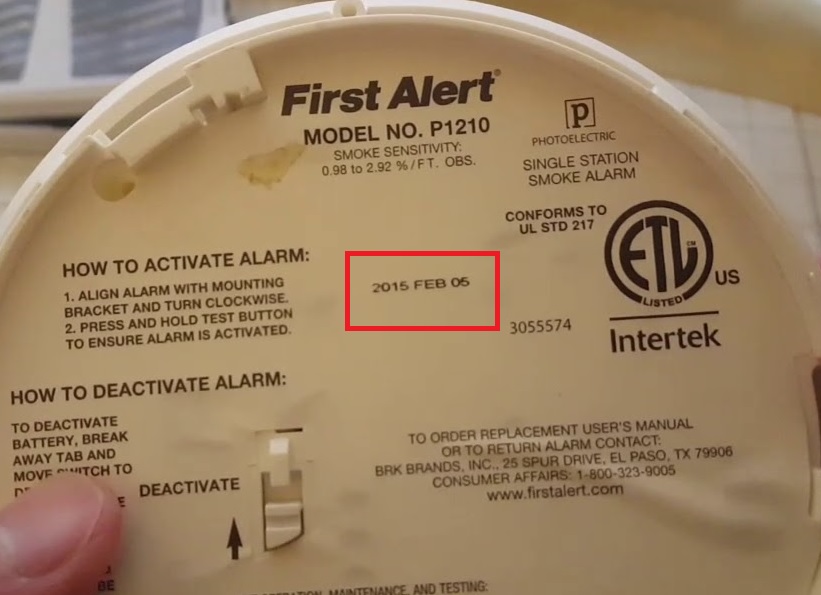
Did you know that carbon monoxide detectors had expiration dates? Be sure to check the date on yours and replace it if needed to help keep your family safe.
Resources
EPA: Carbon Monoxide
CDC: Carbon MonoxideIDPH: Carbon MonoxideIDPH: Illinois Carbon Monoxide Surveillance Report 2019-2023
